+
+
 +
+
+
+
What would you change in your production system?
How do you know the impact?
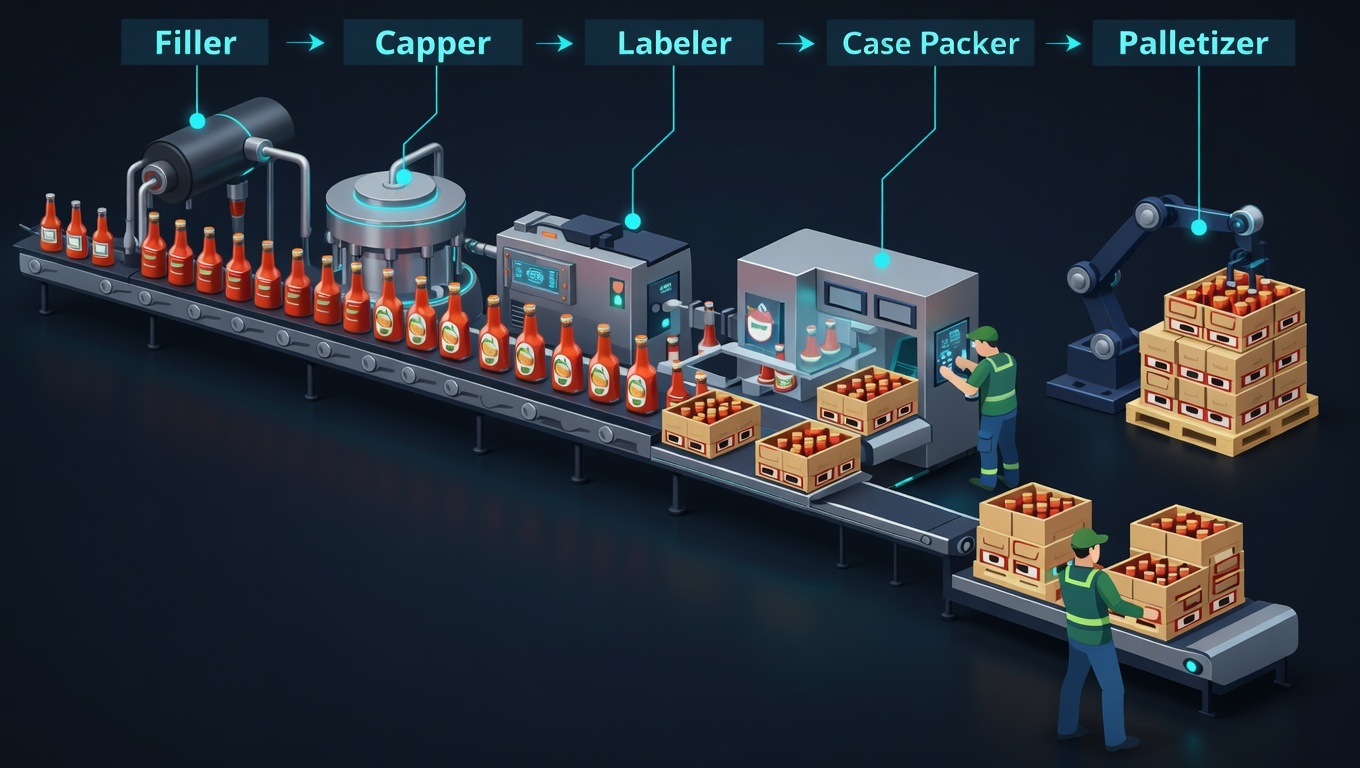
Draw your production line node by node.
Set units, rates, and conversions. Add buffers and mark decoupling points.
"It runs on my desktop. No integration, no IT project, no waiting." — Plant Manager, Food & Beverage
 Source
 Filler
Capper
Labeller
Case Packer
Palletizer
Sink
Filler
Capper
Labeller
Case Packer
Palletizer
Sink
Feed your historian data to to find the distributions that best fit each machine's failure behavior.

For systems without data, the Interrupt Designer guides your distribution selection based on your reliability process.

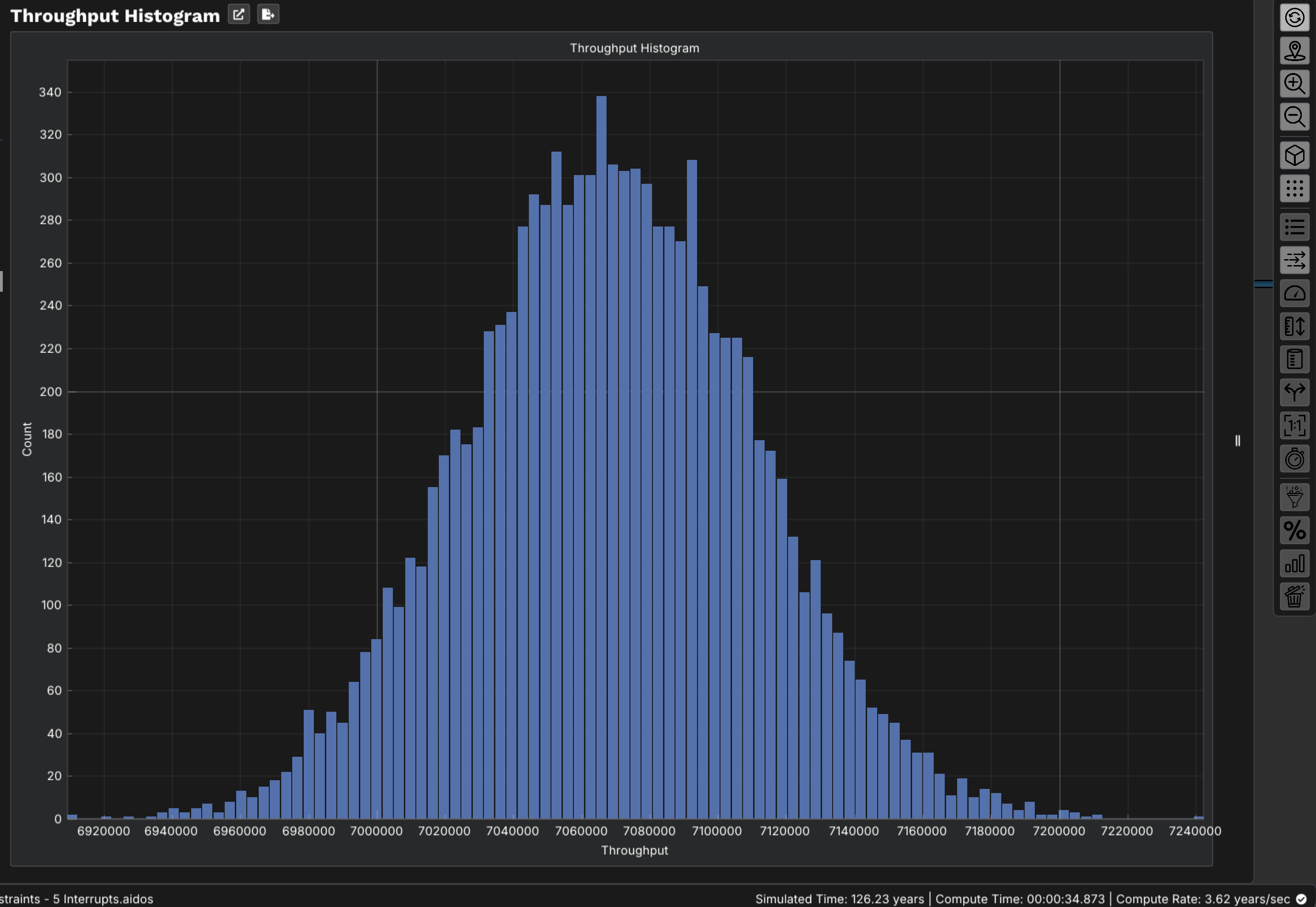
Evaluate your system with eyes wide open to its range of outcomes.
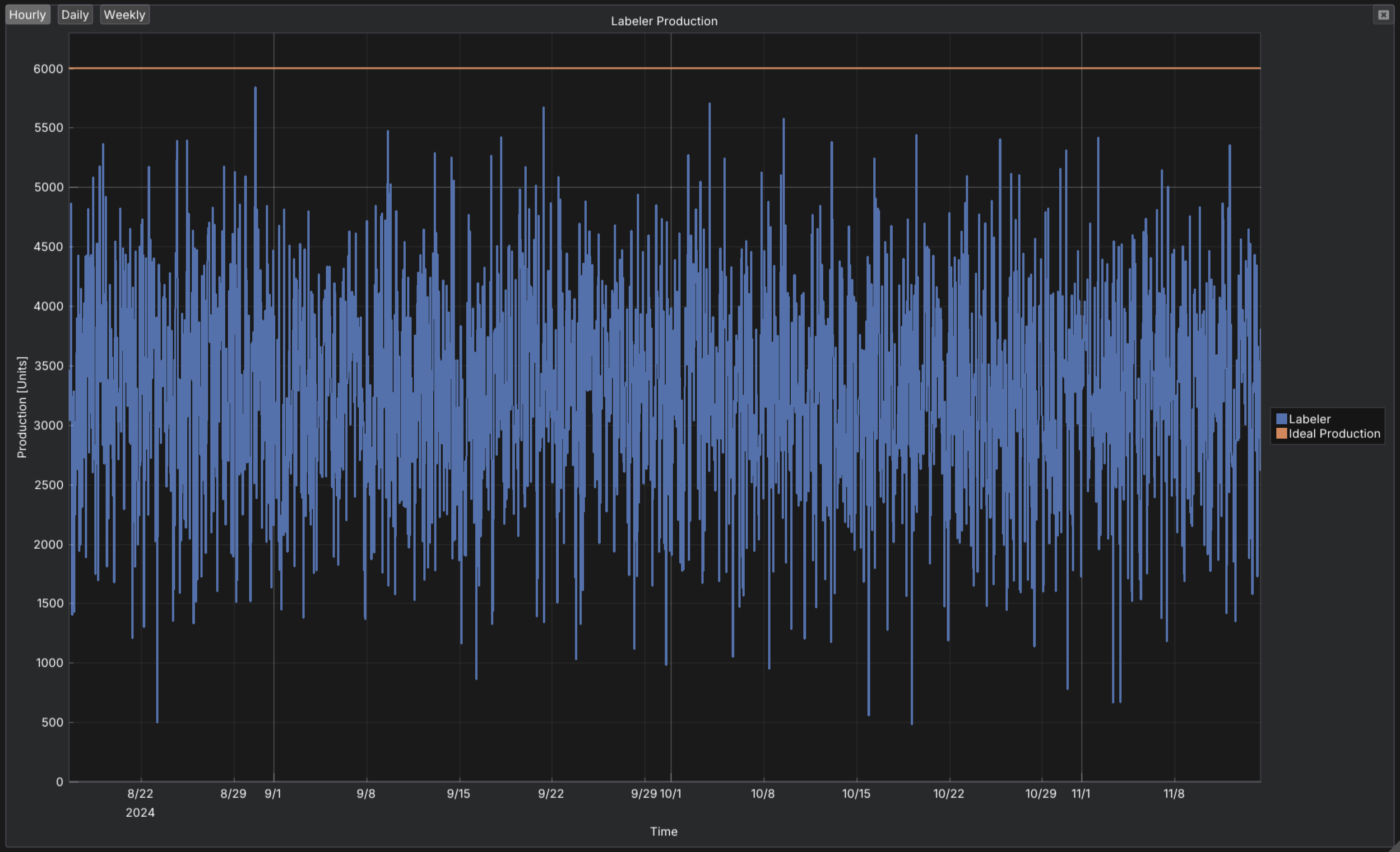
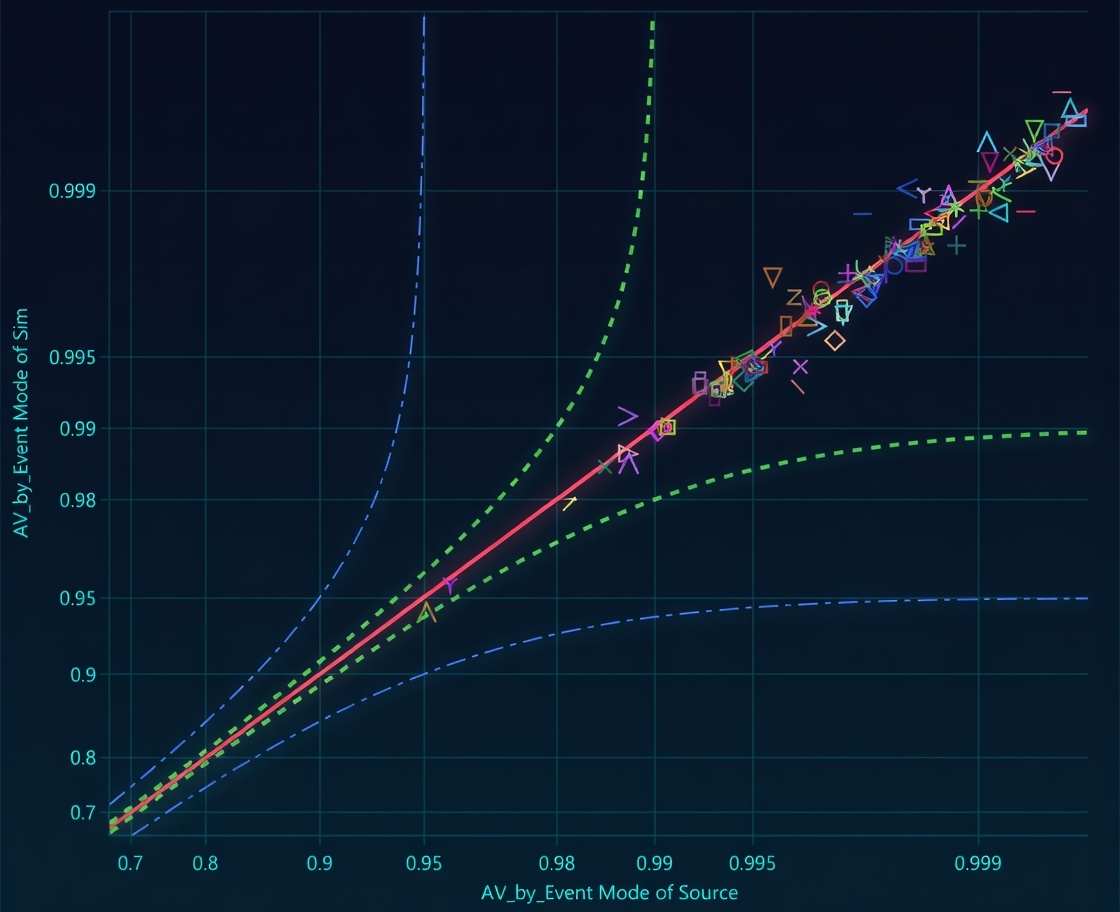
Each point is an interrupt. On the diagonal = model matches reality.
"The only way to predict this accurately is through simulation."— Tom Lange, 36 years Procter & Gamble
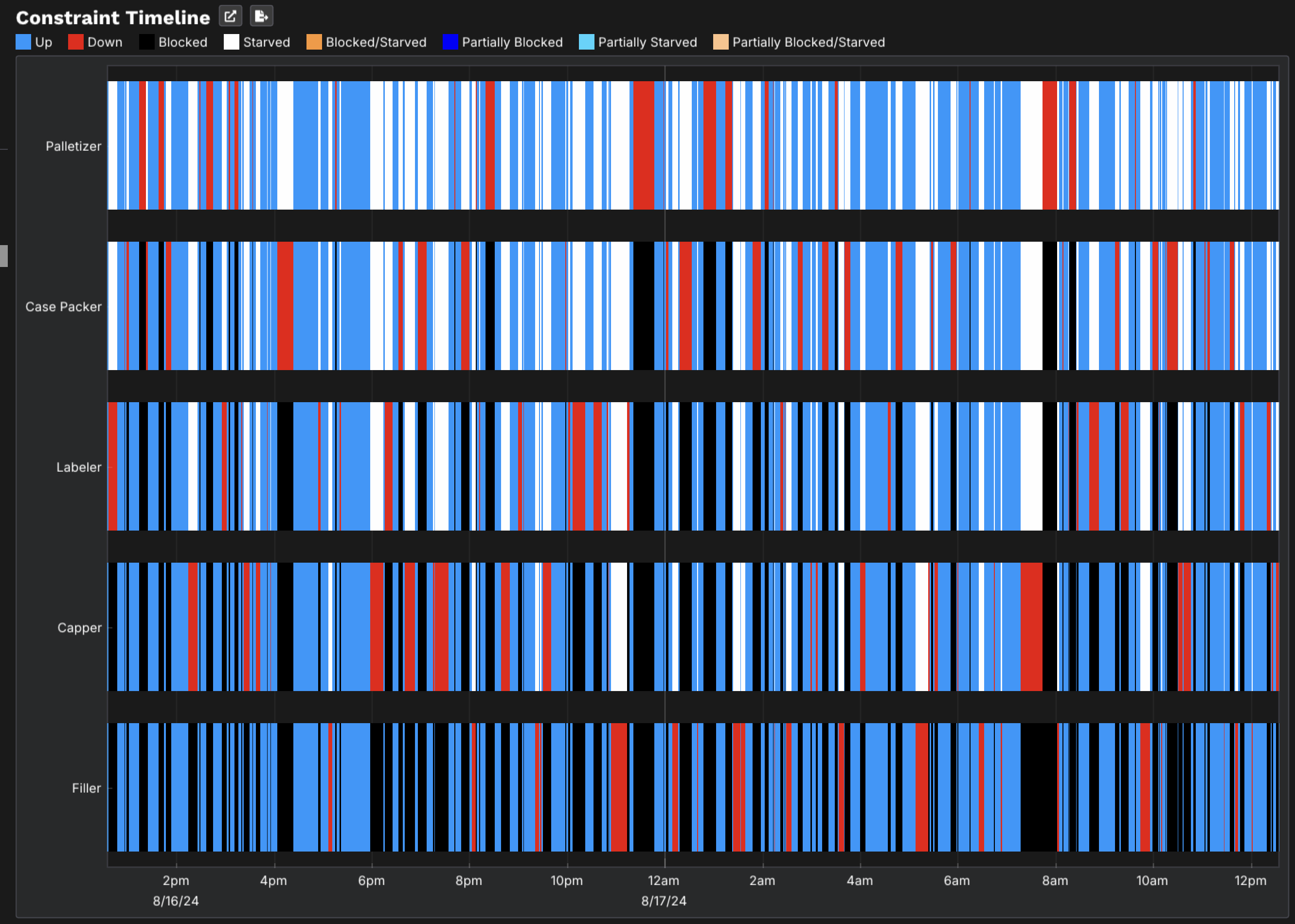
120 one-minute jams stress the entire system.
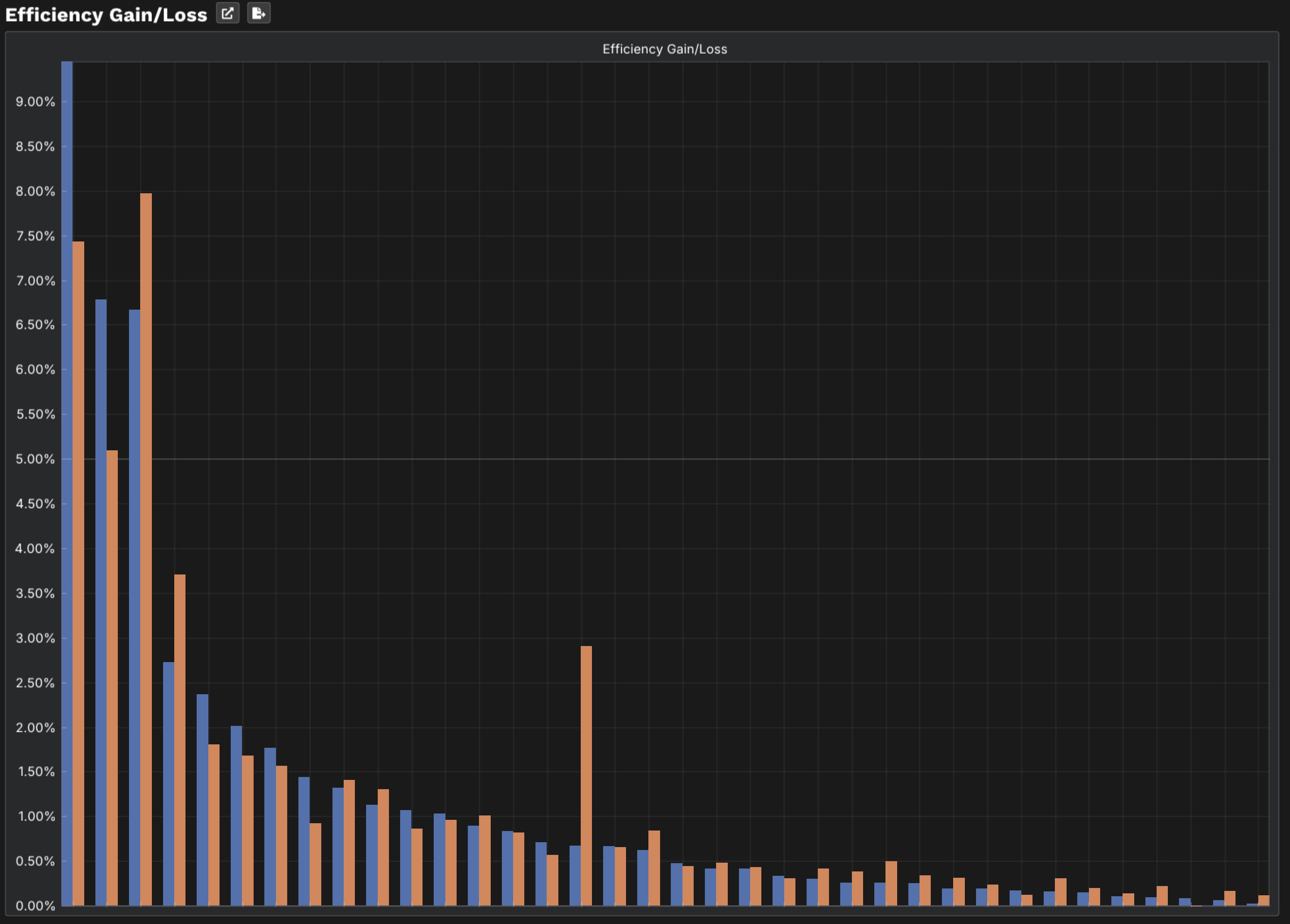
Losses appear under other machines' names — invisible in your Loss Tree.
"Those 120 one-minute interruptions create cascading problems that don't show up under the original problem's name. You often recover 180–220 minutes — significantly more than the 120 minutes of downtime."— Tom Lange, 36 years Procter & Gamble
+
"It runs on my desktop. No integration, no IT project, no waiting."
— Plant Manager, Food & Beverage
Tom Lange & Andrew Siprelle — Executive Platforms Blueprint Podcast
ChiAha — Advanced Analytics & Automation Group · chiaha.com